
Just a Spoonful of This Sauce Transforms Fish and Scallops into Culinary Masterpieces
08/02/2026
IN BRIEF
|
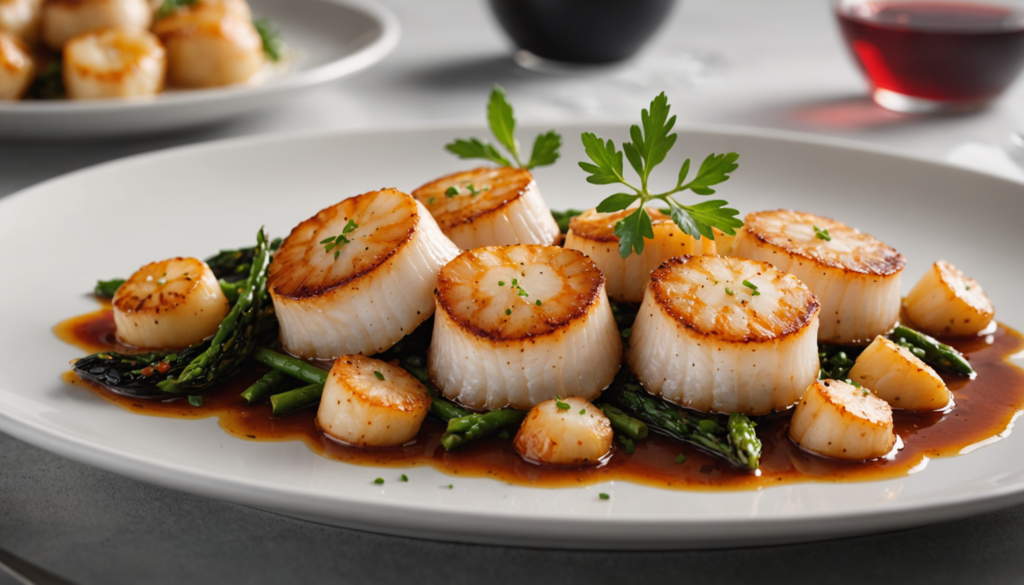
In the world of gastronomy, the right sauce can turn an ordinary meal into an extraordinary culinary experience. Just a spoonful of this remarkable sauce can elevate fish and scallops, transforming their delicate flavors into culinary masterpieces. Crafted with a few essential ingredients commonly found in your kitchen, this sauce balances acidity, creaminess, and freshness, enhancing the natural qualities of seafood. Ready in mere minutes, it embodies the principle that simplicity often leads to excellence in the culinary arts.
A lire en complément : The dalton brothers: the rise and bloody fall of the legendary outlaws of the wild west
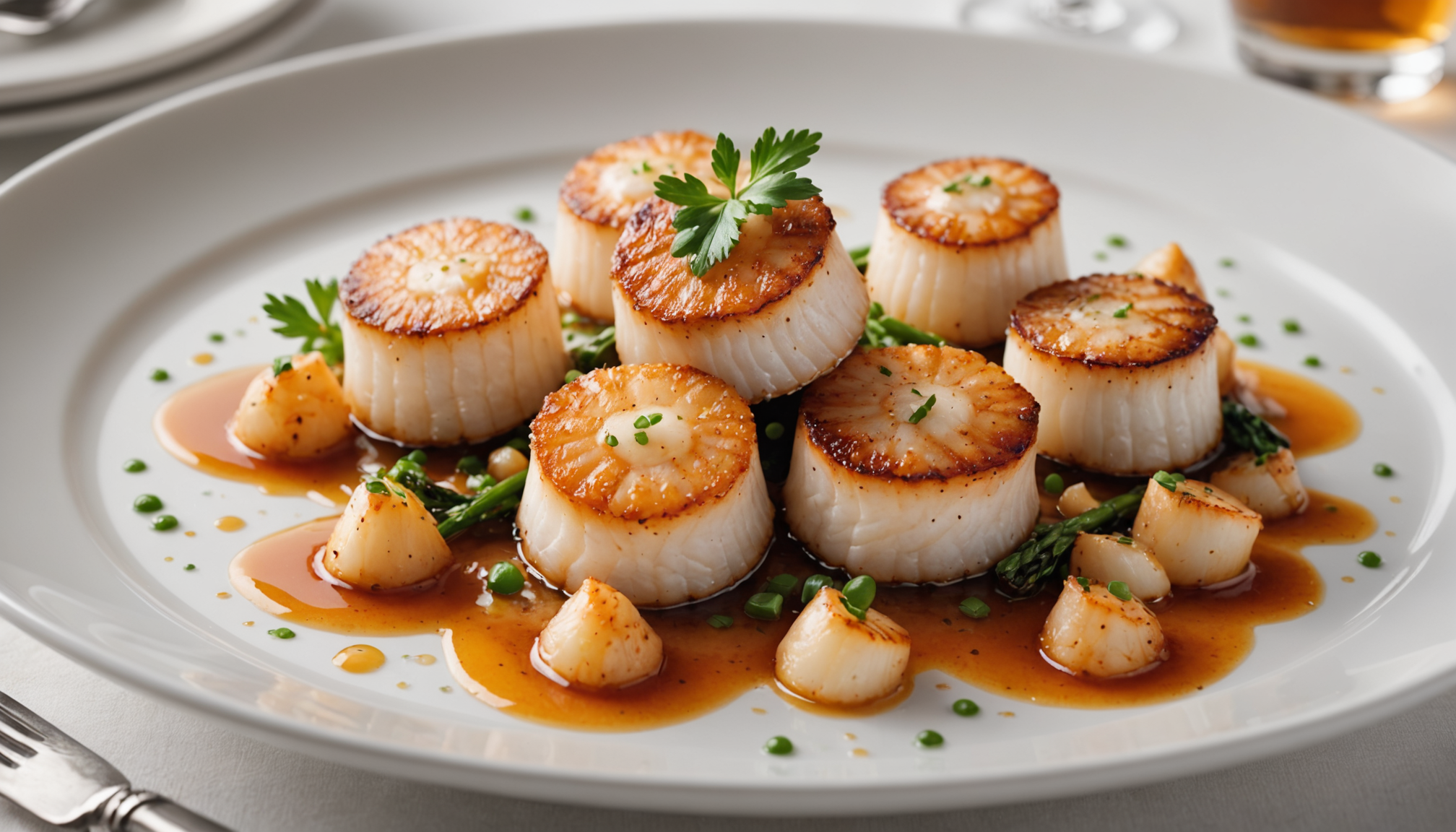
In the realm of gastronomy, certain culinary discoveries have the power to fundamentally shift our cooking practices. This simple sauce, composed of only a few common ingredients, elevates the delicate flavors of fish and enhances the sumptuous texture of scallops. Its secret lies in the perfect balance of acidity, creaminess, and freshness, demonstrating that excellence often comes with simplicity. With just a few minutes of preparation, you can achieve results that rival the most prestigious dining establishments.
The Origins of a Revolutionary Sauce
This universal fish sauce has its roots in French culinary tradition, where the art of pairing foods reaches unparalleled heights. Historically, cooks along the Loire River utilized this sauce as early as the 19th century to enhance their river catches. Its minimalist composition respects the finesse of seafood while adding that essential touch that makes all the difference. Unlike intricate sauces that demand hours of preparation, this recipe comes together in a flash, relying on the harmonious combination of butter, finely chopped shallots, dry white wine, and a hint of fresh cream.
A découvrir également : A Blooming Hedge Year-Round? Discover the Must-Have Varieties!
Essential Ingredients for Success
The success of this sauce hinges entirely on the quality of its ingredients. The essential components include:
- 2 medium-sized gray shallots
- 150 ml of dry white wine (preferably Muscadet or Sancerre)
- 100 g of cold butter, cut into small cubes
- 2 tablespoons of thick fresh cream
- A bunch of fresh dill or chives
- Fine salt and freshly ground white pepper
- The juice of half a yellow lemon
The quality of the white wine plays a crucial role in the final result. Avoid industrial cooking wines and choose a wine you would enjoy drinking. It is essential that the butter is of the highest quality, preferably semi-salted, to provide a salty touch that enhances seafood flavors.
The Importance of Shallots
Gray shallots offer a flavor profile more pronounced than their pink counterparts. Their slightly pungent taste pairs exquisitely with seafood. Ensure that you select firm shallots without visible sprouting, chopping them finely so they melt seamlessly into the sauce.
Step-by-Step Preparation Technique
Creating this sauce requires careful attention to timing. Here’s the tried-and-true method for achieving a perfect emulsion:
- Prepare the reduction: In a heavy-bottomed saucepan, sweat the finely chopped shallots in a morsel of butter without browning.
- Add the white wine and bring to a boil. Let it reduce to about three-quarters until approximately 3 tablespoons of liquid remain.
- Lower the heat to a minimum and whisk in the fresh cream gently.
- Incorporate the butter: Add the cold butter cubes one by one while whisking vigorously. This stage creates the emulsion.
- Season with salt, white pepper, and lemon juice.
- Filter the sauce if you desire a perfectly smooth texture.
- Lastly, add the freshly chopped herbs just before serving.
Temperature remains a critical element in this preparation. Excessive heat will break the emulsion, while insufficient temperature will prevent the butter from binding properly.
The Secrets to a Perfect Emulsion
The technique of mounting with butter is the most delicate part of this recipe. This method, rooted in classical French cuisine, transforms simple ingredients into an exceptional velvety sauce. The secret lies in the gradual incorporation of cold butter into the warm reduction.
To prevent the sauce from breaking, maintain a constant temperature around 60°C. If you lack a thermometer, rely on your senses: the pan should be hot enough to melt the butter but not boiling.
Common Pitfalls to Avoid
- Overheating the mixture: Excessive temperature causes the emulsion to separate.
- Adding the butter too quickly: Incorporation must happen gradually.
- Using butter at room temperature: Cold butter is essential for creating the emulsion.
- Neglecting the reduction: Insufficient reduction dilutes the flavors.
The Perfect Pairing with Fish
This universal sauce adapts remarkably to all types of fish. Its relative neutrality respects delicate flavors while providing an additional dimension of taste. For white fish such as halibut, sole, or sea bass, it adds creaminess that beautifully contrasts with the firmness of the flesh. Fatty fish such as salmon or trout benefit from its acidity, balancing their natural richness.
Serving Techniques Based on Fish Type
The art of presentation significantly influences the tasting experience. For grilled or pan-fried fish fillets, delicately drape the sauce around the plate rather than pouring it directly over the fish. This method preserves the crispy texture of the skin while allowing each bite to be enhanced by the sauce.
For whole fish, serve the sauce separately in a warm sauce boat, allowing your guests to drizzle according to their preferences and enjoy both the pure taste of the fish and its sauced version.
The Magic with Scallops
Scallops find their ideal partner in this sauce. The sweetness of these mollusks pairs wonderfully with the buttery richness and freshness of the herbs. This combination, prized in top-notch restaurants, transforms a simple dish into a memorable culinary experience.
To optimize this pairing, sear the scallops over high heat in a well-heated pan. This quick cooking technique preserves their tender texture inside while creating a slight caramelization on the surface. Serve immediately draped in warm sauce.
Specific Cooking Techniques for Scallops
Cooking scallops calls for precise timing. Cook medium-sized scallops for 1 minute and 30 seconds on each side, ensuring they remain slightly translucent in the center for optimal texture. Avoid flipping them multiple times and resist the urge to press down with the spatula. This patience rewards you with a perfect texture that complements the sauce beautifully.
Variations and Customizations
Although this sauce is impeccable in its classic form, a few variations can tailor it to suit personal tastes and occasions:
- Citrus version: Add lime or orange zest for a brighter note.
- Capers version: Incorporate a teaspoon of chopped capers for a hint of acidity.
- Spicy version: A pinch of Espelette pepper adds gentle heat.
- Herbaceous version: Mixing dill, chives, and tarragon creates aromatic complexity.
Seasonal Adaptation
In summer, prioritize fresh garden herbs such as basil, mint, or cilantro for a seasonal twist. In winter, dried tarragon or fresh thyme provide a warmly enjoyable flavor.
Storage and Reheating
This sauce is best enjoyed immediately after preparation. However, it can be kept warm in a bain-marie for a few hours. To reheat, use a pan over very low heat while whisking gently. Avoid microwaving, as this could cause the emulsion to break.
If, despite all precautions, the sauce should separate, add a tablespoon of cold water and whisk vigorously off the heat. This recovery technique works in most cases.
This simple yet refined sauce will transform your dinners into true gastronomic moments. Its versatility makes it an invaluable asset for all cooking enthusiasts wishing to elevate their seafood dishes without unnecessary complications. Master this recipe, and you will hold one of the keys to traditional French cuisine.

Comparative Analysis of Sauce Impact on Seafood
| Dish | Description of Sauce Impact |
|---|---|
| Fish Fillet | Enhances the delicate flavor while adding richness. |
| Scallops | Perfectly complements the sweetness with creamy texture. |
| White Fish (e.g., Sole) | Softens texture and elevates taste profile. |
| Oily Fish (e.g., Salmon) | Balances richness with acidity, enriching overall flavor. |
| Whole Fish Presentation | Provides a sophisticated sauce without overpowering. |
| Grilled Fish | Maintains crispy skin while adding moisture. |
| Pan-seared Scallops | Enhances caramelization and adds fresh herb notes. |
| Seasonal Variations | Adaptiveness allows for freshness throughout the year. |

This simple yet revolutionary sauce has the power to elevate your seafood dishes from ordinary to extraordinary. With just a handful of ingredients, you can enhance the delicate flavors of fish and the melt-in-your-mouth texture of scallops, all while maintaining a light and fresh profile. This article will guide you through the preparation of this game-changing sauce, showcasing its versatility and ease of use, perfect for both everyday cooking and special occasions.
Discovering the Origins of a Culinary Gem
This universal seafood sauce takes root in the French culinary tradition, where the art of accompaniment reaches unparalleled heights. Its minimalist composition respects the subtlety of marine proteins while providing that perfect touch that makes all the difference. Unlike complex sauces requiring hours of prep, this one comes together in mere minutes, resulting in a masterpiece worthy of the finest dining experiences.
Key Ingredients for Success
The success of this preparation hinges entirely on the quality of the ingredients chosen. You’ll need:
- 2 medium gray shallots
- 150 ml of dry white wine (preferably Muscadet or Sancerre)
- 100 g of cold butter cut into small cubes
- 2 tablespoons of thick crème fraîche
- 1 bunch of fresh dill or chives
- Fine salt and freshly ground white pepper
- The juice of half a yellow lemon
Choosing a good quality white wine is crucial, as this will directly influence the flavor of the sauce. Always opt for a wine you would enjoy drinking.
The Importance of Shallots
Gray shallots are known for their more robust flavor compared to pink shallots, making them an ideal match for seafood. When selecting shallots, look for firm ones without visible sprouts and slice them finely to ensure they melt seamlessly into the sauce.
Step-by-Step Preparation Technique
Creating this sauce requires attention to timing:
- In a thick-bottomed saucepan, sweat the finely chopped shallots without coloration using a small knob of butter.
- Add the white wine and bring to a boil. Let it reduce by three-quarters until you have about 3 tablespoons of liquid.
- Lower the heat and incorporate the crème fraîche while whisking gently.
- Now for the butter: add the cold butter cubes one at a time, whisking vigorously. This is the step that creates the emulsion.
- Season the sauce with salt, white pepper, and lemon juice. If you desire a perfectly smooth texture, strain the sauce.
- Finally, sprinkle in the finely chopped fresh herbs just before serving.
Maintaining the correct temperature is critical; too much heat can separate the emulsion, while too little will prevent the butter from incorporating properly.
The Art of Achieving a Perfect Emulsion
The technique of mounting with butter is what truly elevates this sauce. For optimal results, incorporate the cold butter slowly into the warm reduction while keeping the temperature steady around 60°C (140°F). If you don't have a thermometer, gauge the temperature by touch: it should be warm enough to melt the butter without boiling.
Avoiding Common Mistakes
Several pitfalls can jeopardize the success of this sauce:
- Overheating the preparation can lead to an emulsified disaster.
- Adding the butter too quickly disrupts the emulsion.
- Using room-temperature butter is a no-go; it must be cold to achieve the desired texture.
- Neglecting the reduction process can dilute the flavors.
Perfect Pairings with Fish and Scallops
This universal sauce adapts beautifully to all types of fish. Its relative neutrality allows it to enhance delicate flavors while adding a delightful dimension. For firm-fleshed white fish like turbot or sole, the richness of the sauce contrasts wonderfully with the meat's firmness. For fattier fish like salmon or trout, the sauce's acidity perfectly balances their natural richness.
Serving Techniques for the Ultimate Experience
The way you serve the dish greatly influences the dining experience. For grilled or pan-fried fish fillets, gently drizzle the sauce around the plate instead of on top of the fish to preserve the crispy skin while allowing each bite to be accompanied by the sauce.
When serving whole fish, provide the sauce in a warm gravy boat, allowing guests to use as much or as little as they like, enjoying both the pure taste of the fish and its sauced version.
The Magic Touch for Scallops
Scallops shine wonderfully when paired with this sauce. The sweetness of these mollusks harmonizes beautifully with the buttery richness and bright herbaceous notes in the sauce. Sear the scallops quickly in a hot pan to maintain their tender interior and caramelized exterior before serving them immediately topped with warm sauce.
Perfect Cooking Techniques for Scallops
Cooking scallops requires precision: a sear of 1 minute 30 seconds on each side for average-sized scallops will yield a translucent center, which is ideal. Avoid flipping them repeatedly and refrain from pressing down with a spatula to ensure perfect texture.
Personalizing the Sauce
Even though this sauce is perfect as is, there are variations to suit diverse tastes:
- Citrus Version: Add lime or orange zest for a refreshing twist.
- Capers Variation: Mix in a teaspoon of chopped capers for a tangy boost.
- Spicy Kick: A pinch of Espelette pepper can add a delicate heat.
- Herb Medley: Combine dill, chives, and tarragon for an aromatic complexity.
Seasonal Adaptations
In summer, prioritize fresh garden herbs like basil, mint, or cilantro for a vibrant note. In winter, dried tarragon or fresh thyme offer comforting warmth to the sauce.
Storage and Reheating Options
Best enjoyed immediately, this sauce can be kept warm for a few hours in a bain-marie. To reheat, use a low flame and whisk gently; avoid the microwave which could ruin the emulsion. If the sauce does separate, a tablespoon of cold water whisked in off the heat can often bring it back together.
Experience the culinary magic of this sauce and transform your seafood dishes into unforgettable gastronomic experiences, making it a must-have in your kitchen repertoire.
- Key Ingredient
Why It Matters - Fresh Shallots
Adds a delicate sharpness - Quality Dry White Wine
Enhances overall flavor - Cream
Provides richness and smoothness - Cold Butter
Creates a velvety emulsion - Fresh Herbs
Adds a burst of freshness - Pinch of Lemon Juice
Brightens and balances flavors - Salt and White Pepper
Elevates taste profiles - Cooking Technique
Maintains delicate textures
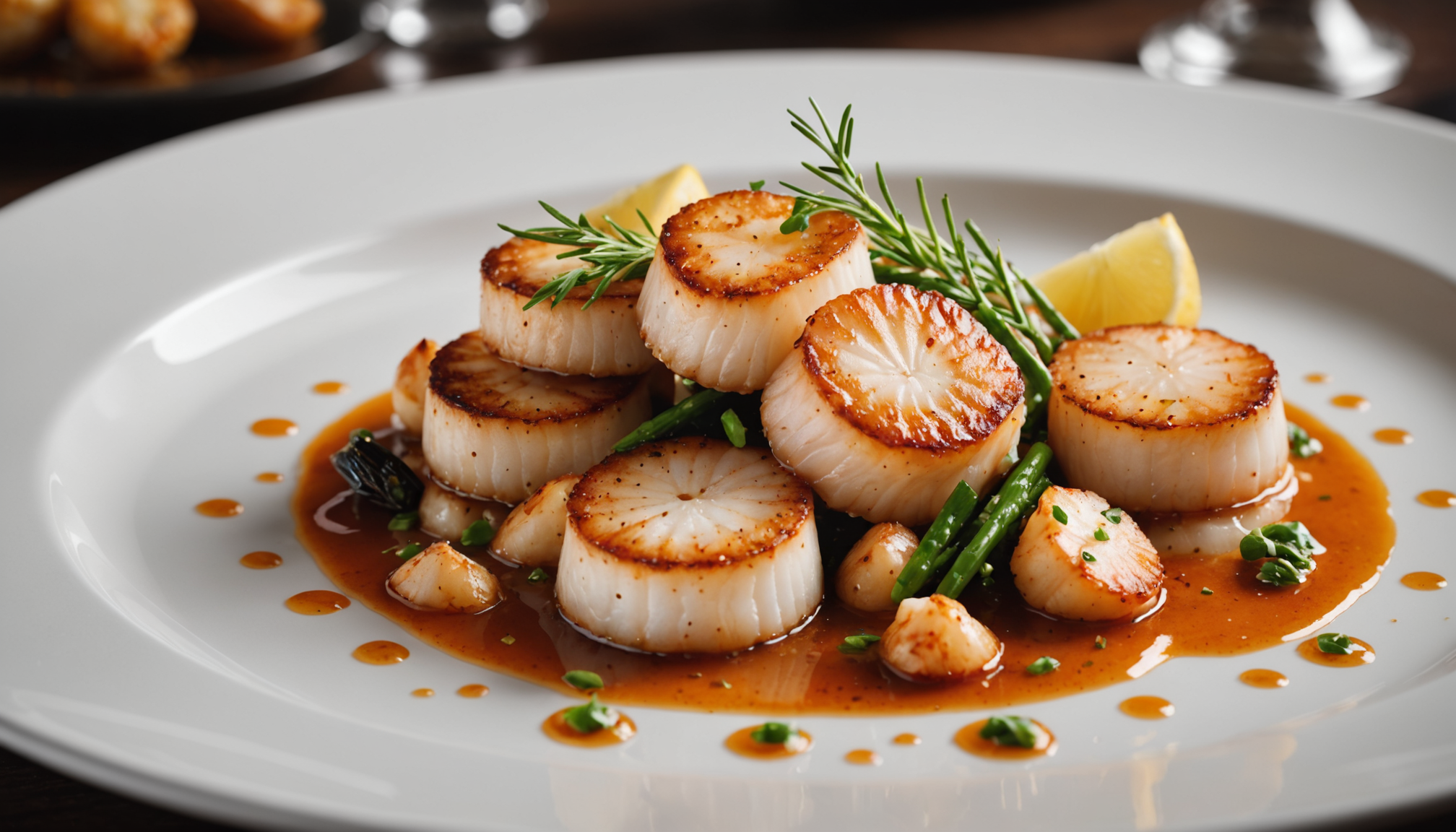
In the realm of gastronomy, a simple sauce can be the secret ingredient that transforms fish and scallops into extraordinary culinary experiences. This remarkable sauce, with its minimal yet curated ingredients, enhances the delicate flavors of seafood while adding a touch of elegance to your dishes. With just a spoonful of this sauce, you'll elevate your seafood creations, making them worthy of any gourmet dining table.
The Essence of the Perfect Sauce
To create a truly exceptional sauce, understanding the fundamental balance of flavors is essential. The ideal sauce combines acidity, creaminess, and freshness. This harmony allows the natural taste of the fish and scallops to shine while enhancing their textures. The secret lies in using just a few quality ingredients, resulting in an emulsion that wraps around each bite with velvety perfection.
Key Ingredients
For a successful sauce, it is paramount to select high-quality ingredients. The essential components of this exquisite sauce include:
- 2 medium shallots finely chopped
- 150 ml dry white wine (Muscadet or Sancerre works best)
- 100 g cold butter cut into small cubes
- 2 tablespoons thick cream
- A bunch of fresh dill or chives
- Salt and freshly ground white pepper
- The juice of half a lemon
Choosing a quality white wine is crucial; avoid cooking wines and pick one you would enjoy drinking. The butter should also stand out for its quality, ideally a semi-salted variety to complement the seafood flavors.
Step-by-Step Preparation
The preparation of this sauce requires attentiveness to timing and temperature. Here’s an easy-to-follow method to create the perfect emulsion:
- In a heavy-bottomed saucepan, sweat the finely chopped shallots in a small amount of butter until they are soft but not colored.
- Add the white wine and bring it to a boil, allowing it to reduce by three-quarters until approximately three tablespoons of liquid are left.
- Reduce the heat and gently whisk in the cream.
- Incorporate the cold butter cubes one at a time while whisking vigorously to form the emulsion.
- Season with salt, white pepper, and lemon juice, filtering the sauce if a smoother texture is desired.
- Finally, add the finely chopped herbs just before serving.
Maintaining the right temperature is critical throughout the preparation since excessive heat can cause the emulsion to break.
Serving Suggestions
The beauty of this sauce is its versatility. It pairs delightfully with all types of fish and scallops. For instance, when serving grilled or pan-seared fish fillets, drizzle the sauce around the plate instead of over the fish to maintain the crispy texture of the skin.
For whole fish presentations, consider serving the sauce separately in a warm sauce boat, allowing guests to pour as desired, enjoying the pure flavor of the fish along with its sauced version.
Perfect Pairings with Scallops
When it comes to scallops, this sauce elevates them to newer heights. Their tender sweetness complements the buttery richness of the sauce beautifully. Sear the scallops in a hot pan to achieve a slight caramelization, serving them immediately with the warm sauce drizzled over.
Variations to Consider
While the classic sauce is remarkable on its own, you can introduce variations to suit different palettes:
- Citrus Twist: Add lemon or lime zest for a refreshing brightness.
- Herb Blend: Mix in tarragon, basil, or parsley for added complexity.
- Spicy Note: Incorporate a hint of red pepper flakes for a subtle kick.
These variations not only keep the experience lively but also allow you to adapt the sauce to seasonal ingredients or personal preferences.
Frequently Asked Questions
What is the main ingredient in the sauce that transforms fish and scallops?
This sauce is primarily made from a combination of butter, shallots, dry white wine, and fresh cream. It is these simple yet high-quality ingredients that create the perfect emulsion to enhance the flavor of seafood.
How long does it take to prepare this sauce?
The preparation of this sauce can be completed in just a few minutes, allowing you to create a sophisticated dish in minimal time.
Can I use any type of white wine for this sauce?
It is recommended to use a good quality dry white wine such as Muscadet or Sancerre. Avoid using cheap cooking wines as they can affect the flavor significantly.
What type of fish pairs well with this sauce?
This sauce complements a variety of fish, but it is particularly excellent with white fish like turbot, sole, or bass, as well as oily fish like salmon and trout.
How should I serve the sauce with fish?
For grilled or pan-seared fish, pour the sauce around the plate rather than directly on the fish to maintain the nice texture of the skin. Serve in a separate sauce boat for whole fish for better control over sauce application.
What is the secret to a perfect emulsion?
The key to achieving an ideal emulsion lies in the gradual incorporation of cold butter into the warm reduction while maintaining a constant temperature around 60°C.
Are there any variations I can make to the sauce?
Yes, you can customize the sauce by adding citrus zest, capers, or a pinch of spice. You might also experiment with herbs like dill or tarragon.
How should I cook scallops for the best flavor?
Cook scallops for about 1 minute 30 seconds on each side in a hot pan to ensure they remain slightly translucent in the center while getting a nice caramelization on the outside.
Can I store the sauce for later use?
While it’s best served immediately, you can keep it warm in a bain-marie for a few hours. If you need to reheat it, do so gently over low heat while whisking.
What should I do if the sauce separates?
If it does separate, add a tablespoon of cold water and whisk energetically off the heat. This technique often helps in re-emulsifying the sauce.
