
Top Trending African Weddings Making Waves in 2025
07/02/2026
Unveiling Modern African Weddings: Cultural Celebrations in 2025
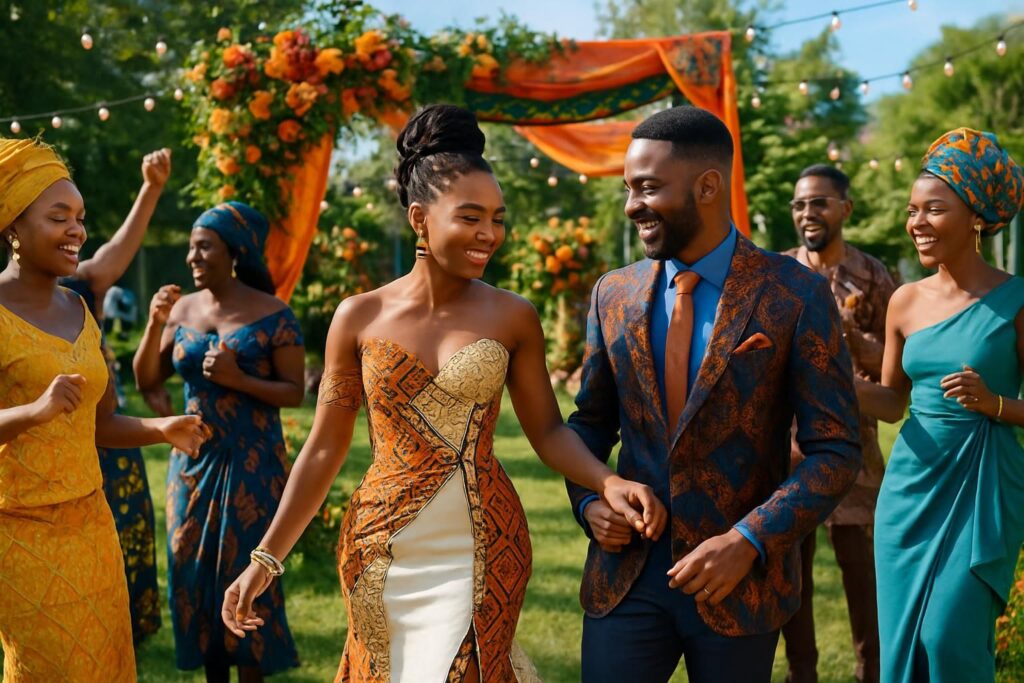
African weddings in 2025 have transcended traditional boundaries to become grand cultural celebrations, blending time-honored customs with modern extravagance. These events are expressions of love, heritage, and identity, underscoring how the essence of marriage goes far beyond simple vows.
The year 2025 welcomed a wave of weddings that captured the public imagination, igniting social media with spectacular displays of fashion, heritage, and festivities. Notable was the fusion of traditional ceremonies with contemporary elements that showcased a renewed pride in African culture while embracing a global audience.
A voir aussi : Entertainment Week Ghana 2025: Honoring the Vibrant Spirit of African Creativity
One prime example is the multi-location wedding of Mr Eazi and Temi Otedola, who took their celebration across Monaco, Dubai, and Iceland. This journey wasn’t just about luxury—it was a narrative intertwining romance with the rich tapestry of African and global influences, attracting accolades for its creative vision in international wedding circles. Vogue's exclusive coverage brought the event to the forefront, setting a high bar for future destination weddings coming out of Africa.
The dynamic shift toward combining cultural authenticity with lavish experiences has been bolstered by influential African celebrities. Figures such as Davido and Chioma exhibit how traditional and modern wedding practices can harmoniously coexist. Their Miami white wedding followed Lagos-based traditional rites, reinforcing the layered nature of contemporary African marriages.
Cela peut vous intéresser : Trace Urban Takes Center Stage as a Leader in Africa's Entertainment Scene
Beyond individual couples, this trend encapsulates the continent-wide movement toward weddings as full-scale cultural productions. These events often feature wedding decor that creatively blends traditional motifs with luxurious, modern aesthetics, enhancing not only the visual narrative but the emotional resonance for attendees.
Traditional music, dance, and ceremonial attire remain vital, yet many couples are now incorporating contemporary music genres and fashion, amplifying their celebrations and reaching diverse audiences. This evolution illustrates a broader embrace of modern African weddings that honor roots while celebrating present-day identities.
The prominence of these weddings also highlights how African weddings are trending globally as significant cultural showcases. The interplay of innovation, heritage, and showmanship is redefining what a wedding experience can be, making 2025 a hallmark year in the narrative of African matrimonial celebrations.
Top African Celebrities Who Redefined Wedding Fashion in 2025
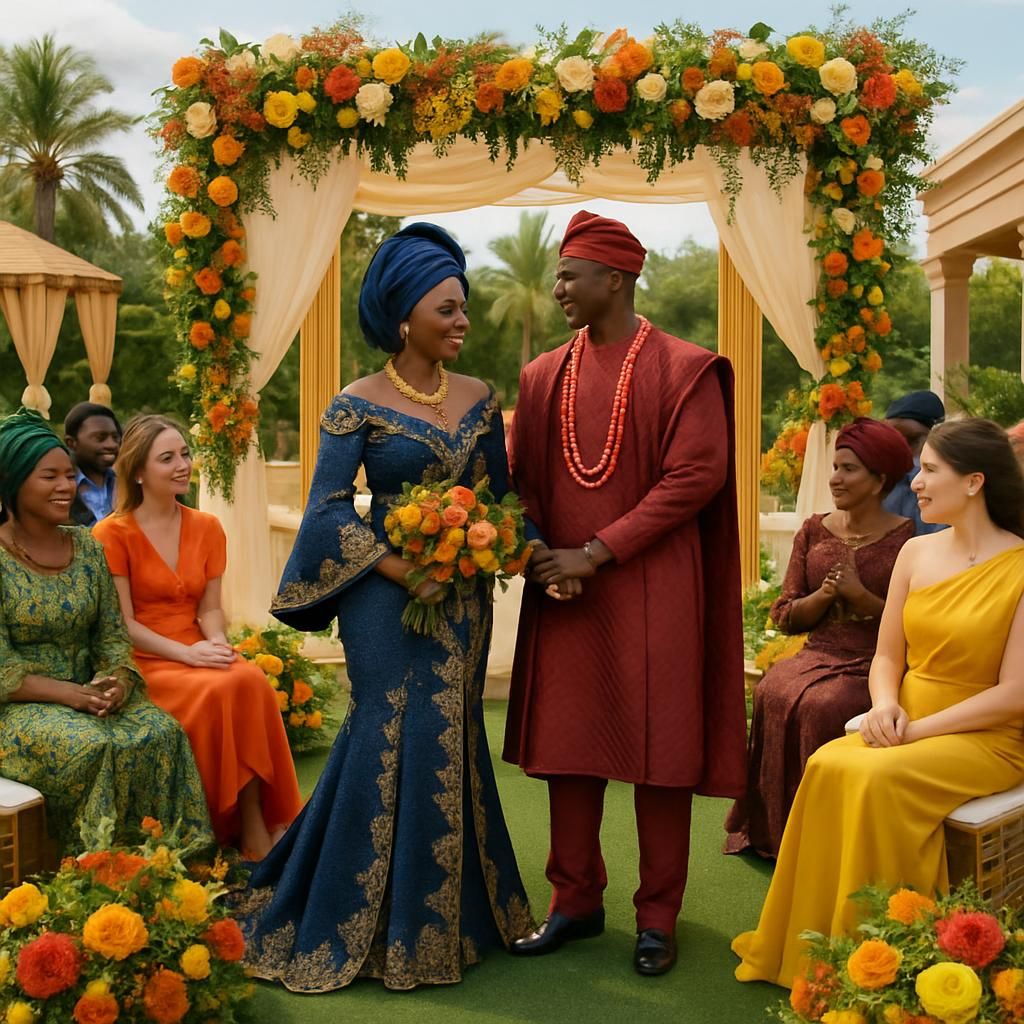
Fashion at African weddings in 2025 has taken on a revolutionary path, spearheaded by icons who used their nuptials as platforms for refreshing bridal and guest styles. The melding of traditional attire like aso-ebi and gele with haute couture gowns and suits captivated fashion enthusiasts worldwide.
The wedding of Priscilla Ojo and Juma Jux offers a vivid case study in sartorial fusion. Their ceremonies featured vibrant aso-ebi patterns, royal garments, and live drumming that celebrated Nigerian and Tanzanian heritage. The white wedding’s embrace of Swahili music and Tanzanian customs gave attendees a culturally immersive experience, demonstrating how fashion serves as a storyteller in African unions.
African wedding fashion in 2025 emphasized both tradition and innovation. Designers drew inspiration from indigenous textiles, such as Ankara and Aso Oke, reinventing them in elegant and modern silhouettes that challenged stereotypes surrounding African dress. These fashions were not merely clothing but statements of identity, self-expression, and cultural pride.
Celebrity weddings like those of Davido and Chioma also illustrated the opulence achievable with skilled stylists who balanced eye-catching aesthetics with cultural symbolism. Their Miami ceremony highlighted luxury gowns paired with traditional beadwork, underscoring a new standard for bridal style that blends extravagance with cultural reverence.
Beyond the bridal parties, wedding guests increasingly embraced coordinated bridal styles that uplifted group unity and celebration spirit, turning the guest list into a vivid panorama of African textiles and accessories. This trend enhanced the communal atmosphere and added layers of meaning to the overall celebration.
Fashion trends in 2025 also saw increased sustainability awareness. Couples selected outfits mindful of environmental impacts, opting for designer pieces that celebrate longevity or integrating pre-loved gowns that carry sentimental value without compromising style. This change reflects a broader global movement within the wedding industry, emphasizing both glamour and responsibility.
To explore these innovations further, wedding fashion trends for 2025 offer insight into how elegance and cultural depth intersect on African wedding days.
The Rise of Destination Weddings: African Love Stories Across Continents
Destination weddings have surged in popularity within African wedding circles, with 2025 marking a significant uptick in couples opting to celebrate their unions far from home. This trend reflects both the globalization of African relationships and a desire to craft individualized experiences that go beyond convention.
The multi-city wedding series of Mr Eazi and Temi Otedola is emblematic of this movement. Their celebrations traveled from Monaco's luxurious civil ceremony to the vibrant party scenes of Dubai, finishing with a unique Icelandic ceremony that married the old with the new. This approach demonstrates the power of destination weddings to create layered narratives, celebrating not only the couple’s bond but also their global connections.
Destination weddings offer immense appeal due to the combination of exclusive settings and intimate guest lists. They enable couples to curate their atmosphere fully, often requesting unique wedding decor themes and customized cultural elements that match the venue ambiance. These elements result in one-of-a-kind celebrations that become lifelong memories for all attendees.
Africa's increased presence on the global destination wedding map is also significant. Exotic locales on the continent, such as Zanzibar, Marrakech, and Cape Town, have seen rising interest as couples choose to host events that celebrate African beauty both culturally and geographically.
Among the list of destination weddings making waves, the lavish ceremonies involving celebrities like Davido and Juma Jux highlight how destination weddings pair luxury with cultural richness—creating buzzworthy moments captured in extensive media coverage.
In these celebrations, wedding music often blends local and international genres, enhancing the global yet intimate vibe. Many couples collaborate with DJs and live bands who bring authentic sounds from their cultures to the global stage, forging unique wedding day experiences that honor tradition while embracing global fellowship.
Destination weddings continue evolving, emphasizing tailored guest experiences and unforgettable cultural exchanges, cementing their role as pivotal trends in African wedding celebrations.
Innovative Wedding Decor Trends Elevating African Weddings in 2025
Wedding decor in African weddings has become an art form in its own right in 2025, blending cultural symbolism with modern design principles. Couples and planners are crafting immersive atmospheres that capture the spirit of their unions through thematic and personalized decor elements.
These decor trends frequently celebrate heritage with motifs inspired by African folklore, textiles, and natural elements. Luxurious floral arrangements are paired with traditional materials like woven baskets and wooden sculptures, creating a balance between opulence and authenticity.
A recurring design choice involves incorporating vibrant colors that echo the spirit of African culture—rich reds, deep golds, and lively greens—used in drapes, table settings, and lighting schemes. These palettes energize the venue and create a festive mood that invites guests into the heart of the celebration.
Lighting has become a pivotal tool for enhancing decor, with creative solutions like suspended lanterns and projection mapping that adds dynamic storytelling layers to the event. For instance, some weddings project traditional African patterns or family histories onto walls or ceilings, embedding the couple's narratives into their surroundings.
Personalization has surged, with couples opting for bespoke decor that reflects their love story, values, and cultural background. This includes custom signage in local languages, symbolic altar designs, and curated music playlists that merge traditional sounds with contemporary beats.
The integration of sustainable decor materials is also a noticeable trend, aligning with the global shift toward eco-friendly celebrations. Couples seek reusable and biodegradable elements without sacrificing aesthetic appeal, turning their wedding into a statement that embraces environmental consciousness alongside cultural celebration.
These innovative approaches demonstrate how wedding decor in African weddings is more than ornamental—it is an expressive medium that amplifies the significance of marriage as both a personal and cultural journey.
Traditional Ceremonies and Cultural Pride: The Heart of African Weddings
At the core of many African weddings in 2025 lies a deep respect for traditional ceremonies that honor ancestry, family bonds, and cultural pride. These rituals serve as the foundation, anchoring modern celebrations to centuries-old practices.
Couples like Davido and Chioma have embraced multi-phase wedding processes: beginning with elaborate traditional rites in Lagos, followed by their court wedding and culminating in extravagant celebrations abroad. This layered approach allows families to participate intimately while also extending the celebration to global circles.
These ceremonies often feature symbolic acts such as libation pouring, bride price negotiations, and traditional dances which reaffirm familial and communal ties. The preparation itself can span months, involving meticulous planning of troupes, costumes, and culturally specific customs.
Music plays a vital role in these ceremonies, with live drumming and indigenous songs evoking ancestral blessings. The wedding soundtrack is typically a rich mix of folk songs and contemporary African hits, engaging guests through storytelling and collective memory.
Another notable example is the Lagos wedding of Priscilla Ojo and Juma Jux, which combined Nigerian royal attire with Tanzanian cultural elements. Such cross-cultural unions exemplify 2025’s trend of weaving diverse African traditions into single celebrations, symbolizing unity across the continent.
Distinct regions emphasize unique customs, from the Yoruba engagement rituals to the Swahili coastal celebrations, each adding color and meaning to the ceremony. These practices continue to thrive amidst modern adaptations, ensuring cultural continuity in a fast-changing world.
In recognizing the significance of these traditions, many contemporary African weddings have become vibrant cultural showcases, not only confirming love but reaffirming community strength and heritage. The growth and visibility of these ceremonies also contribute significantly to global awareness and appreciation of African cultural richness.
